Maldives Shark Sanctuary Endangered
photo: Mohamed Seeneen
Maldives Shark Sanctuary Endangered
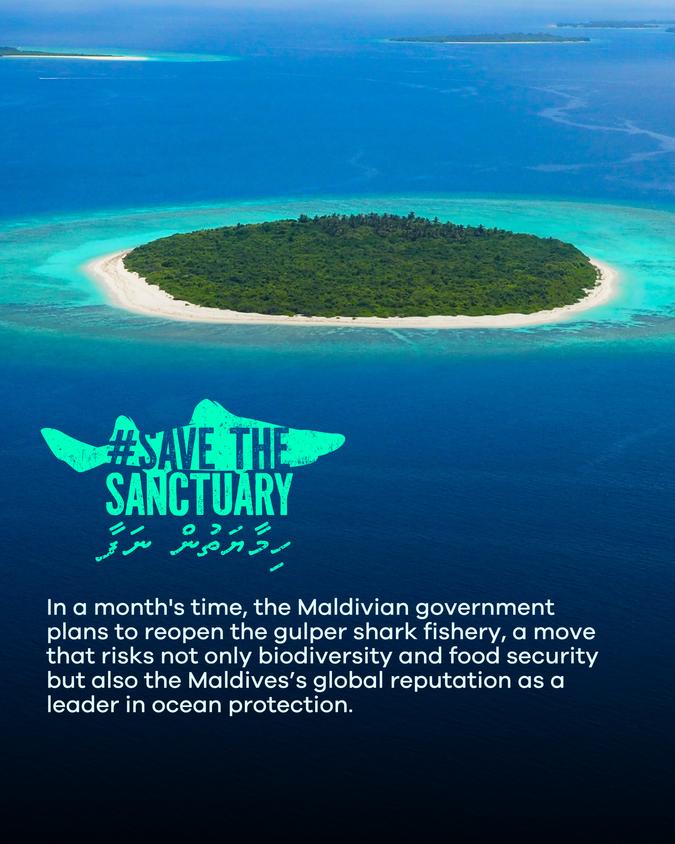
Government of Maldives plans to re-open gulper shark fishery
Significant Facts
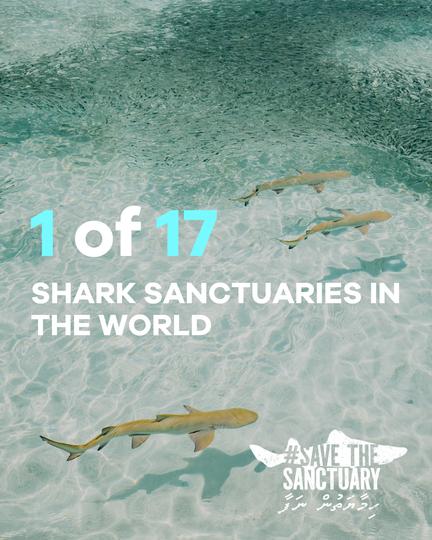
The Maldives was the only shark sanctuary in the Indian Ocean region. It was one of just 17 shark sanctuaries globally. An estimated “1.4 million tons, or 100 million shark individuals are killed per year” (Worm et al, 2013), endangering shark populations globally.
On 31 October 2025, the Government of Maldives made the decision to re-open the country to the fishery of globally endangered gulper sharks in the country.
This decision effectively ends the Maldives’ 15 year status as a shark sanctuary since 2010.
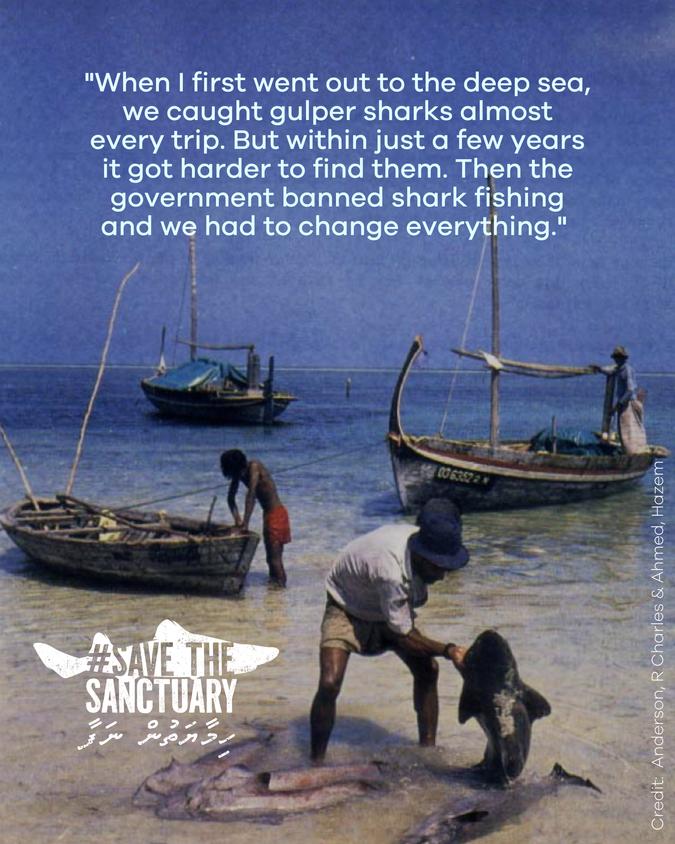
- 2025 – August 26, Government of Maldives declared its intention to re-open gulper shark fishery in Maldives, specifically for the alleged benefit of the Kulhudhuffushi community. Shark fishery in Kulhudhuffushi wound down circa 2008, due to the decline of the fishery as a result of shark population collapse.
- 2022 – Maldives passes national CITES Act (Law No. 13/2022)
- 2021 – March, political rhetoric about re-opening shark fishery was met with significant concern from a broad spectrum of stakeholders including CSOs, businesses and the tourism sector
- 2021 – January – reports that Maldives customs seized 429kg of shark fins, indicating the significant vulnerability of the protection mechanisms for the sanctuary
- 2013 – Maldives became a State Party to the Convention on International Trade in Endangered Species of Wild Fauna and Flora (CITES)
- 2011 – ban on shark products imposed. Study stated : “The various shark stocks that supported the Kulhudhuffushi shark fishery were sequentially overfished. Reef sharks in the northern atolls had been grossly overfished by the 1980s. Nearshore pelagic sharks around the northern atolls had been overfished by the 1990s. Offshore oceanic sharks had been declining in abundance for some years before the fishery closed in 2010.” (Anderson et al, 2011)
- 2010 – Maldives imposes total ban on shark fishery in its Exclusive Economic Zone (EEZ), making its territory a sanctuary for all sharks. Reasons include overwhelming challenges and inability to implement management plans to regulate and monitor the fishery.
- 2009 – Maldives imposes fishing ban on reef sharks
- 2004 – country review of fishery observes ‘no fishery is covered by a management plan’
- 1998 – September 8, the Maldives brought in a 10 year ban (or moratorium) on shark fishery in 7 designated atolls, within 12 miles of the coast
- 1993 – study calculated that ‘one Grey Reef Shark may be worth 100 times more alive at a dive site than dead on a fishing boat’, highlighting the significant discrepancy in the value of a shark to the national economy alive, than dead.
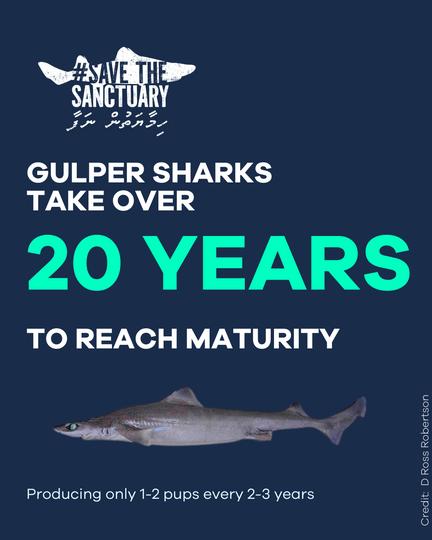
1970s – since commercial shark fishery began in Maldives, between 1980-2002, gulper shark population declined by 97%
Information sources:
- Boris Worm et al, ‘Global catches, exploitation rates, and rebuilding options for sharks’, Marine Policy, 40 (2013)
- Fathimath Shahunaz, ‘Customs investigate attempt to export shark fins’, The Edition, 4 January 2021
- Khadeeja Ali (Senior Research Officer), ‘Status of the Shark Fishery Ban in the Maldives and the Implementation of the National Plan of Action on Sharks’, Marine Research Centre, Maldives (2014)
- M Shiham Adam, Country Review: Maldives, Marine Research Centre (2004)
- R C Anderson, M Shiham Adam and M R Saleem, ‘Shark Longline Fishery in the Northern Maldives’ (2011)
- R C Anderson and H Ahmed, ‘The Shark Fisheries of the Maldives’, Ministry of Fisheries and Agriculture (Maldives) and Food and Agriculture Organisation (UN), 1993
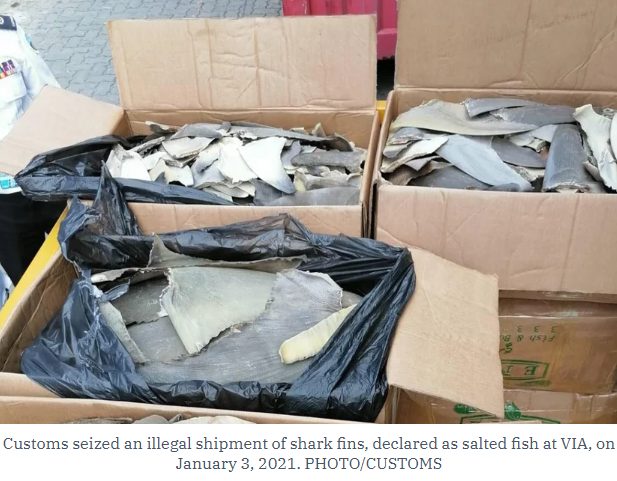
Maldives customs seize 429kg of shark fins at Velana International Airport, indicating the vulnerability of the existing shark ban and sanctuary status.
Fathimath Shahunaz, ‘Customs investigate attempt to export shark fins’, The Edition, 4 January 2021

‘Joint Statement opposing the lifting of the shark ban in the Maldives’, SaveMaldives, 27 March 2021.

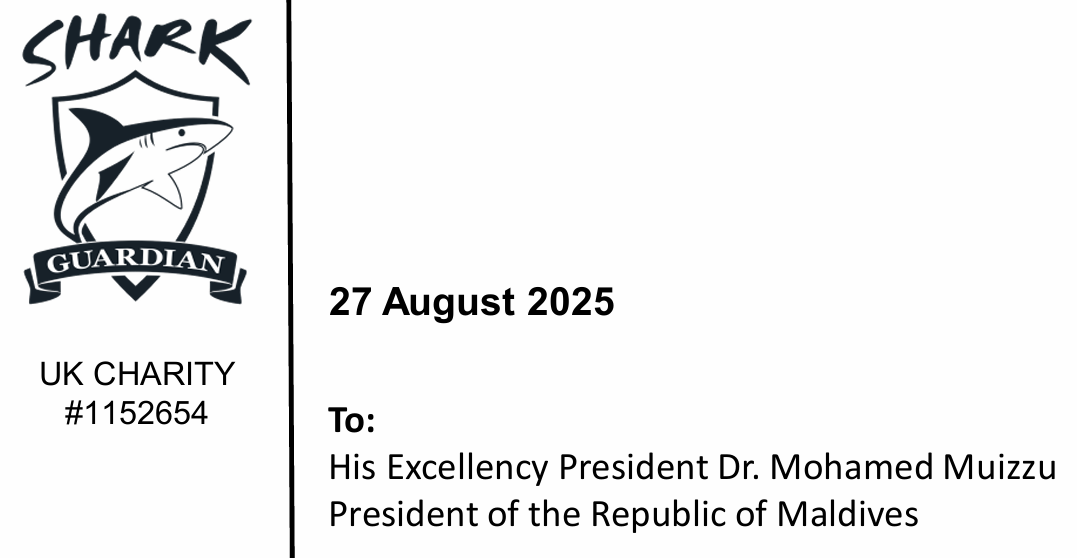
Shark Guardian releases statement raising concern about the government’s decision threatening the country’s shark sanctuary status.
Shark Guardian, 27 August 2025
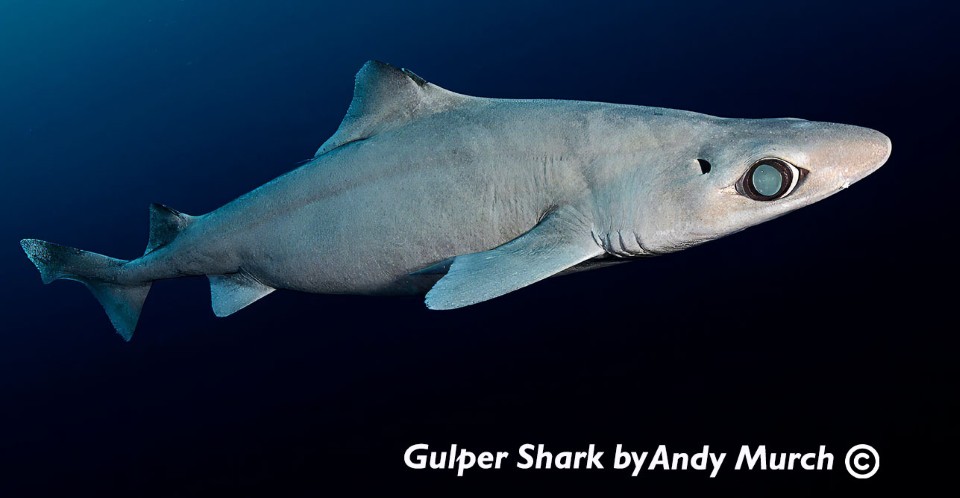
Ocean Geographic Society launched a petition calling on the Maldives government to keep the shark ban.
‘Petition to the President of Maldives to Continue the Ban on Fishing of All Shark Species’ – Change.org, 19 Sept
Joint petition by CSOs launched to raise public support against lifting the shark ban.
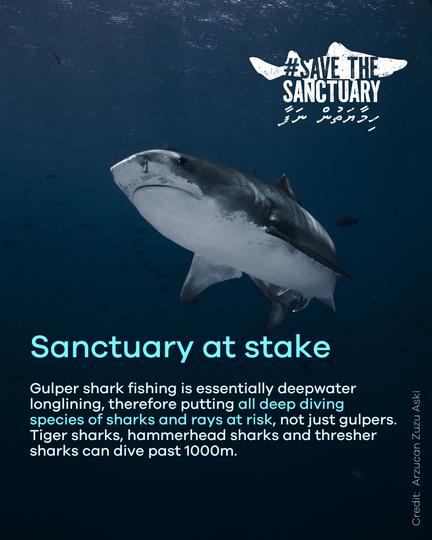
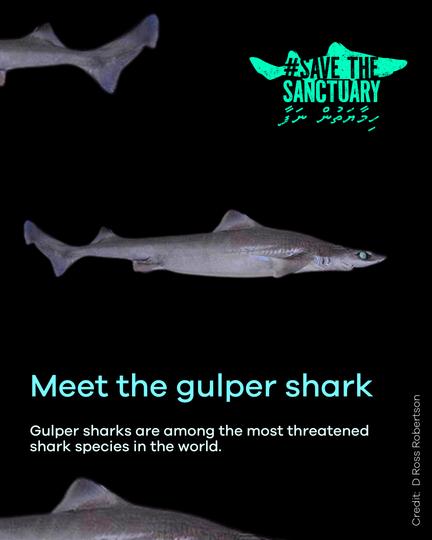
Save the Sanctuary: Keep Gulper Shark Fisheries Closed – Blue Marine Foundation/Maldives Resilient Reefs/Miyaru Programme
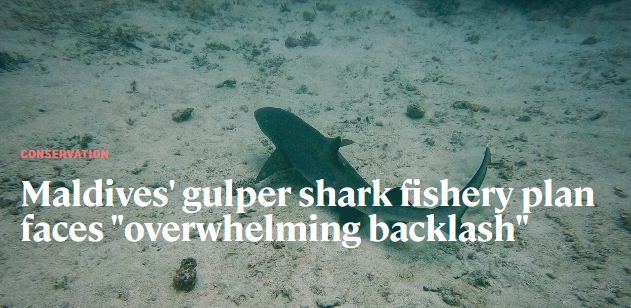
Oceanographic magazine publishes article: Maldives’ gulper shark fishery plan faces “overwhelming backlash”.
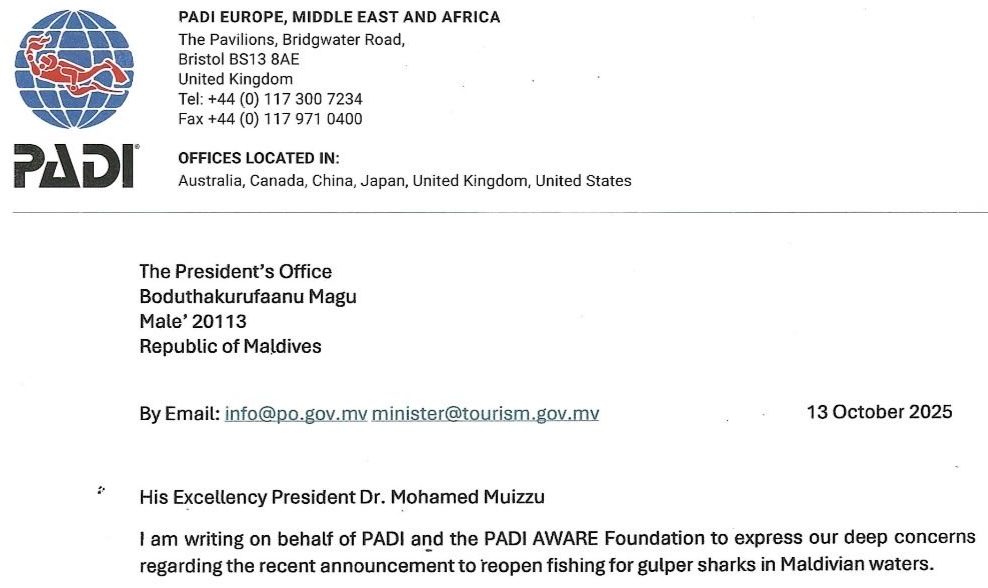
PADI (Europe, Middle East and Africa) sends a letter to President Muizzu, urging the Government of Maldives to uphold the country’s shark sanctuary status.
Posted on X by Seeneen (@mohamedseeneen)
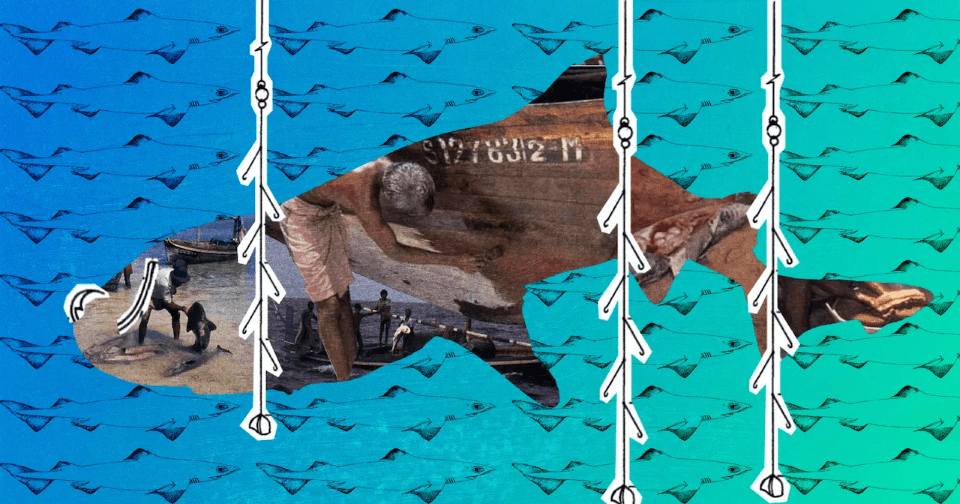
“Fishermen say Muizzu ‘misspoke’ as gulper shark plan faces global opposition” ~ Maldives Independent reports
Is there any substance to the promise made to the people of Kulhudhuffushi?
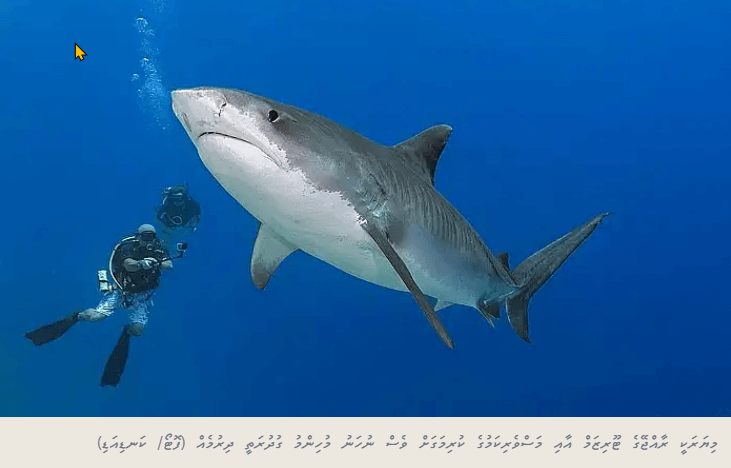
– Op-ed by SMC volunteer Humay on Dhauru News – “Open letter to President Muizzu” [Dhivehi language]
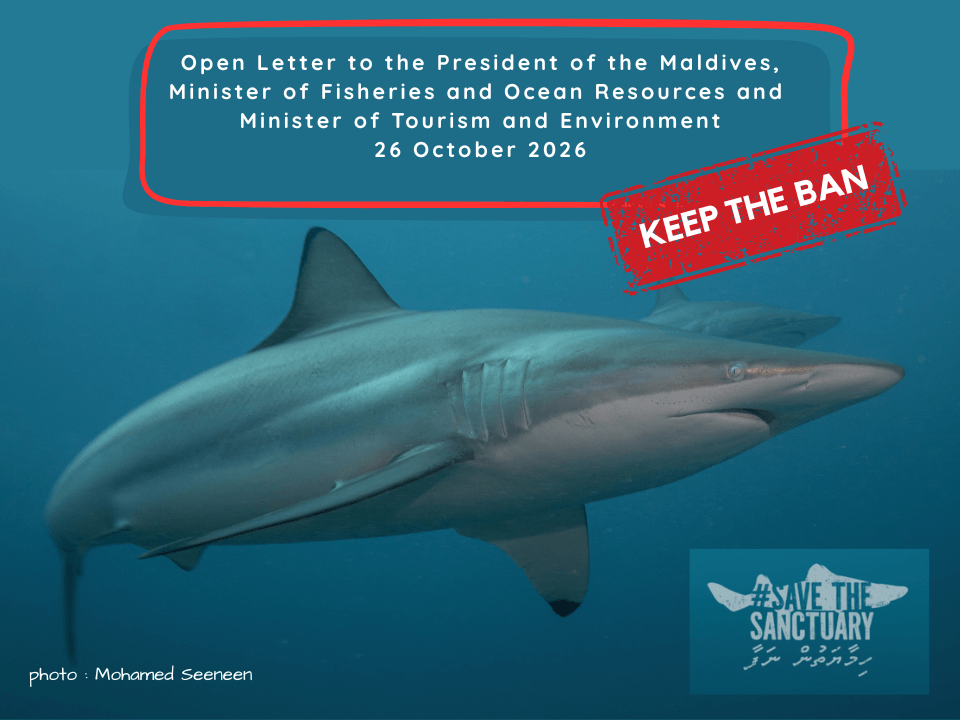
“Open Letter to the President of the Maldives, Minister of Fisheries and Ocean Resources and Minister of Tourism and Environment” – SaveMaldives (Dhivehi & English language versions)
60 local and international organisations and 50 scientists support the letter.
Letter to President Muizzu from Dr Rima Jabado, Chair of the IUCN Species Survival Commission Shark Specialist Group recommending the Government of Maldives to maintain its shark sanctuary, highlighting the global and local species vulnerability of gulper sharks, among other concerns.
Read PDF letter: IUCN SSC
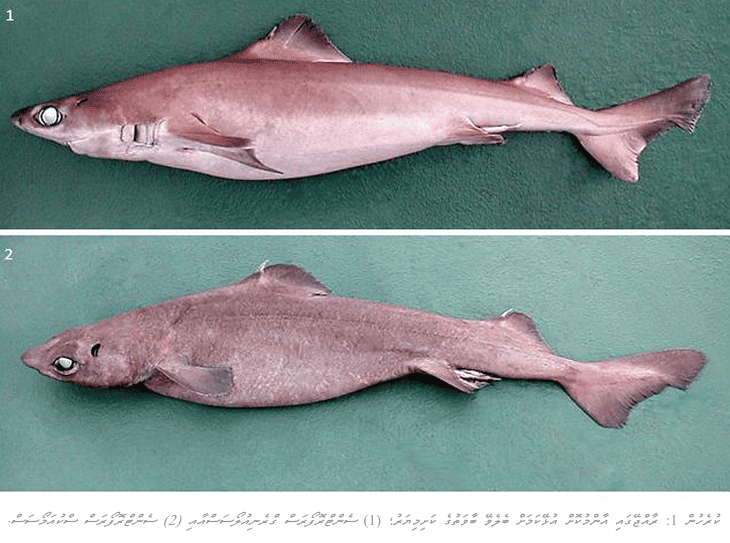
Government of Maldives gazettes the: Gulper Shark Fishery Management Plan (Dhivehi) and the Gulper Shark Fishery Regulation (Dhivehi), disregarding all the concerns raised by multiple national and international stakeholders since the announcement of the opening of the fishery.
This action brings an end to the Maldives’ 15 year long status – and globally acknowledged positive reputation – as the only shark sanctuary in the Indian Ocean.
– On 4 Dec 2025, State Parties to CITES passed the decision to list gulper sharks in Appendix II of the CITES Convention.
– This means that trade in gulper sharks will soon be subject to strict rules requiring certification to prove any gulper shark fishing is done from a sustainable source.
– Maldives does not have such scientific proof because there is no study done to assess the gulper shark population in the country since the population declined to 97%.
– CITES Appendix listing puts obligations on member States to act collectively to ensure the survival of endangered species.
– CITES COP20 press release

Legal action taken by Male’ citizens, Humaida Abdul Ghafoor (Humay) and Mohamed Seeneen (Sindhi) claiming that the Maldives gulper shark fishery management plan and regulation contravene the Constitution, national laws and the Maldives international legal obligations.
Save Maldives Campaign releases a short documentary on the issue of the endangered Gulper shark population in the Maldives due to the re-opening of a Gulper Shark Fishery, which undermines the country’s shark sanctuary status.
Watch here on our YouTube channel.
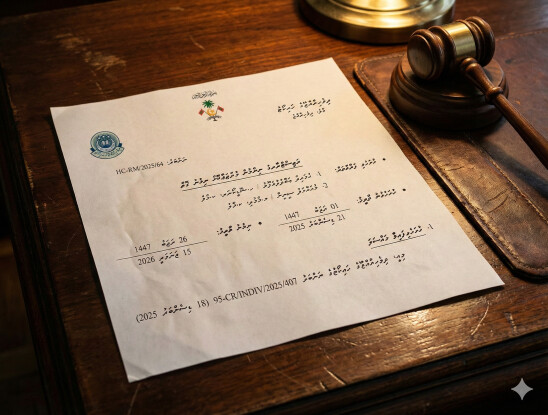
The ongoing civil litigation case questioning the legality of the Gulper shark fishery plan and regulation continues at the Maldives High Court. Still pending the court’s response, which is notably slow.
Read the full story at Miveshi.
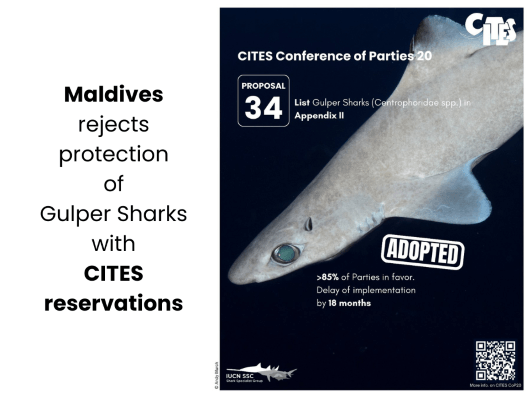
– Maldives rejects the uplisting of Gulper sharks (Centrophoridae spp.) on Appendix II of CITES and takes a reservation.
– Gulper sharks were uplisted to Appendix II of CITES in December 2025 at the CITES CoP20 in Uzbekistan.
– Maldives submitted a reservation to the listing by letter to the CITES Secretariat on 26 February 2026.
– The reservation against protecting Centrophoridae spp. (Gulper shark family) is effective from 5 March 2026. It is valid from 5 June 2027.